Stationary cleaning machines called seabins are helping clear Vancouver's False Creek of garbage, one scoop of debris at a time. Sadie Caron of Fraser Riverkeeper, the charity behind the project, says the bins are attached to various spots around Granville Island. They skim the surface of the water 24 hours a day with the help of an electric pump to capture any sort of floating debris.
Water testing at RMOW facilities finds elevated lead, copper
The Resort Municipality of Whistler (RMOW) is working on mitigation efforts for drinking water in municipal facilities—while continuing to work on longer-term solutions for the entire community—after testing done late last year found elevated levels of lead and copper on first samplings. A report by Kerr Wood Leidal consulting engineers dated Dec. 10, 2020 shows the results for 11 RMOW-owned buildings: The Point Artist-Run Centre; the Maury Young Arts Centre; the Spruce Grove Fieldhouse (home of the Waldorf School); the Public Works Yard; Municipal Hall; the Public Safety Building (which houses the Whistler RCMP); the main firehall; Spring Creek Community School; the Whistler Museum and Archives; the Whistler Public Library; and a house at 7235 Fitzsimmons Road North.
Work stops on $1B North Shore water treatment plant amid layoffs by contractor
Work has ground to a halt on construction of a $1-billion wastewater treatment plant in North Vancouver, B.C., after mass layoffs by the contractor. Metro Vancouver commissioner Jerry Dobrovolny said he learned Wednesday that Acciona Wastewater Solutions LP has "significantly reduced" the number of people working on the North Shore Wastewater Treatment Plant.
Northwestern Health Unit warns of another blue-green algae bloom
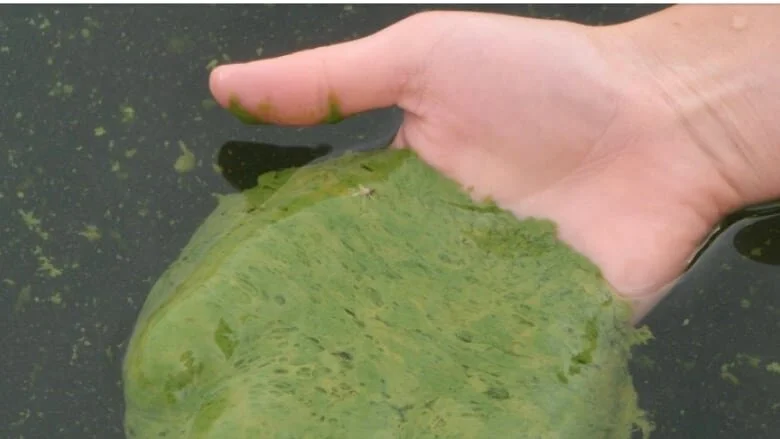
In addition, the NWHU said another bloom has been reported in Lulu Lake near Kenora. People are asked to avoid the water in those lakes, as blue-green algae can produce toxins which can pose a health risk to people an animals. The water shouldn't be used for swimming, drinking,or household purposes for at least two weeks after the bloom has dissipated.
Lake Superior water levels drop after hot, dry summer
Hot summer weather and drier than average conditions have led to a lowering of Lake Superior water levels. The International Lake Superior Board of Control (ILSBC) said water levels had declined and reached the seasonal long-term average for the first time since April 2014. In its September update, the ILSBC said Lake Superior declined three centimetres in the month of August, a month that normally see the lake rising one centimetre.
Experts calling for watershed monitoring in the Columbia Basin amid climate change concerns
After a record-breaking summer of heat, drought, and fires, experts in the Columbia Basin are stressing the importance of water monitoring and watershed management to secure our water supplies. “Watersheds are complicated,” said Greg Utzig, a conservation ecologist based in the Columbia Basin. “There are lots of different pieces, and if we are going to understand how these watersheds react to climate disruption, we have to have a better understanding of how the various parts interact. This is where water monitoring comes in, by helping us understand how these systems work and how fast they are changing,”
Northwestern Health Unit warns of blue-green algae on regional lakes
The Northwestern Health Unit is warning people to avoid the water on three lakes in the region due to blue-green algae blooms. One of the blooms is located north of Frog Rapids in Abram Lake, near Sioux Lookout. Water from the area is being tested by the Ministry of Environment, Conservation and Parks. The second bloom is in the Bonny Bay Road area of Wabigoon Lake, near Dryden. The health unit said another blue-green algae bloom has already been confirmed on the north end of Wabigoon Lake, so water will not be tested.
Climate change causing lakes in Canadian Rockies to lose their famous turquoise lustre, says ecologist
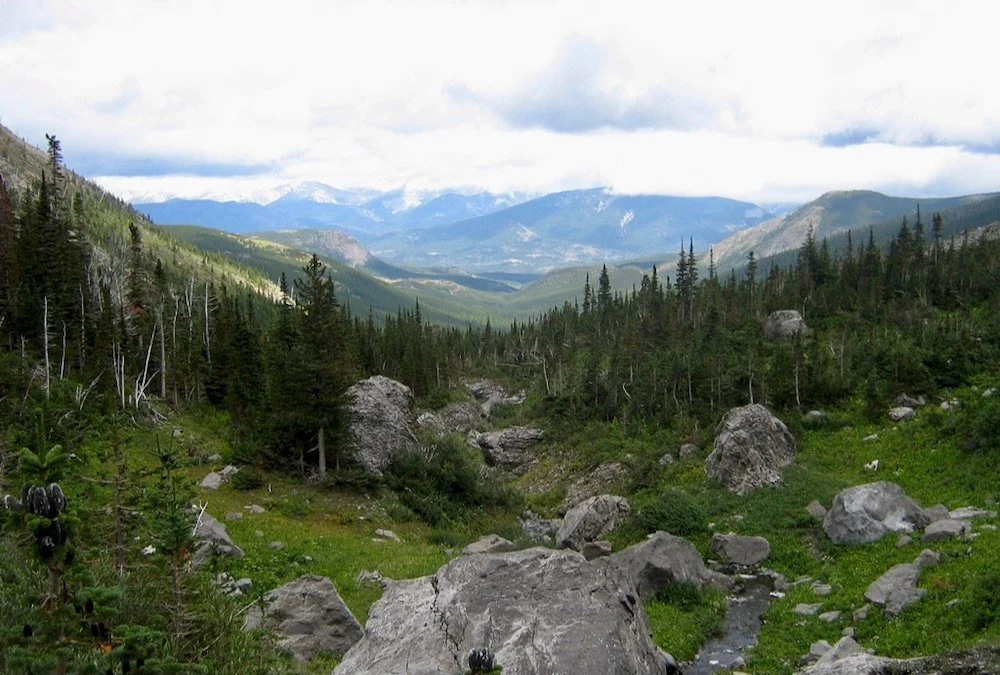
New research from the University of Alberta says the Canadian Rockies may be losing one of their most iconic features — those brilliant turquoise alpine lakes. "This summer the heat domes in Western Canada really have accelerated the rate of melting of the glaciers in the … Rockies," said professor of aquatic ecology Rolf Vinebrooke on CBC Radio's Daybreak South Tuesday. Vinebrooke explained that the lakes contain glacial flour, a sediment from rocks that slowly makes its way into the water through erosion. But as the glaciers melt at faster rates than ever before, less of the meltwater contains the rock flour, which intercepts sunlight and gives the lakes their milky turquoise luster.
Here's what a local lake looks like without water, as crews replace an outlet pipe near Summerland
Ever wondered what a local lake would look like without water? That's the situation at Isintok Lake in the hills above Summerland, B.C., as crews replace an outlet pipe. The District of Summerland, just north of Penticton, emptied the lake, which serves as one of many reservoirs for the town, to fix a century-old pipe in the Isintok Dam. "After years of doing video inspections in the outlet pipes of our dam, we did discover that there was significant leakage in the pipe in Isintok that was near 100 years old," Devon van der Meulen, water utilities manager at Summerland, told CBC's Daybreak South on Tuesday.
Seabin at Thunder Bay marina helps raise awareness of plastics in Great Lakes
A Lakehead University researcher says it won't be long before data on the amount of plastic in the water at the Thunder Bay harbour can be compared to other areas on the Great Lakes. The northwestern Ontario city currently has one Seabin — designed to collect samples of plastic waste in water — located in the water at Marina Park, which was installed and is cleaned out by city staff.
How undersea aquifers could become a source of fresh water for coastal communities
Groundwater under the sea floor off the coast of Prince Edward Island could solve a host of problems for the Island, but there are a lot of questions that need to be answered first. The research vessel Maria S. Merian is currently off the North Shore of P.E.I., using various techniques to search for groundwater below the bottom of the Gulf of St. Lawrence. "P.E.I. is 100 per cent reliant on groundwater and it's a finite resource, and we are very cautious with how we use it, as we should be," said Josh MacFadyen, the Canada Research Chair in Geospatial Humanities at the University of Prince Edward Island.
Do depressions in Canadian prairies hold the key to groundwater recharge?
The water cycle is a delicate balance. In natural settings, water from rainfall or snowmelt can soak into soil or runoff to streams. Some of the water is stored in natural underground reservoirs—called groundwater. Plants use up the water to grow, and then new precipitation refills the groundwater—a process called groundwater recharge. In dry climates, plants use up most of the water that enters the soil. So how does the groundwater get refilled? For Canadian prairies the answer is found in depressions located in the landscape. In these depressions, runoff from the surrounding land accumulates and moves into the groundwater.
Industrial plastic is spilling into Great Lakes, and no one's regulating it, experts warn
As the people of Toronto flocked to the Lake Ontario waterfront to swim, paddle and generally escape pandemic isolation, Chelsea Rochman's students at the University of Toronto were throwing plastic bottles with GPS trackers into the water. The research team's goal is to track trash that ends up in the lake, to figure out where it accumulates in the water and where it's coming from in the first place. Using information from the tracking bottles, they chose spots to put in Seabins — stationary cleaning machines that suck in water all day and trap any garbage and debris — at marinas along the waterfront. They are emptied daily, and the debris collected in them is examined to ferret out what kinds of trash is getting into the lake.
Opinion: Time to address Saskatchewan’s water quality woes
With everyone back to work and school, the water quality in Saskatchewan lakes and rivers may not be front of mind for many right now. But World Water Monitoring Day (WWMD) makes this the perfect time to think about, and take action for, all those freshwater places that are near and dear to us. WWMD is an international outreach program held annually between Sept. 18 and Oct. 18. By engaging communities in monitoring the condition of local water bodies, it helps increase awareness of the importance of good water quality to life, livelihoods and personal enjoyment.
Unsafe Lead in Water Is Widespread in Vancouver Island Daycares
Lead in the water of child-care facilities is a problem on Vancouver Island, one far bigger than in some other areas of the province. The government has known about it for years. Its own testing program proves it. But when it comes to dealing with the threat, people affected are running out of patience at the trickle of response from officials. One method health authorities commonly advise — just turning on the taps and running water for a while before letting staff and kids use it — is called no solution at all by experts.
A summer of 'desperate' low river levels in central Newfoundland could have lasting impacts: scientist
When Craig Purchase visited his normal fishing spot upstream of Terra Nova Lake this past Labour Day weekend, it was clear why angling was off the table. "Where it would normally be waist deep, there was two to three inches of water," Purchase, who's also a professor of biology at Memorial University, said. Bare rocks and trickling brooks have been a common sight through a swath of central Newfoundland this summer, Purchase said.
Researchers doing wastewater testing find COVID-19 spikes in Saskatoon and North Battleford
Coronavirus particles have spiked in Saskatoon and North Battleford wastewater, according to the latest report from researchers studying it. That means COVID-19 numbers will likely leap in the coming weeks in those cities. Researchers from the University of Saskatchewan continue to monitor the wastewater from three Saskatchewan cities for SARS-CoV-2, the virus that causes COVID-19.
How fluoride in water can cut tooth decay
Millions of Britons are set to have fluoride added to their drinking water following recommendations by the country's chief medical officers [CMOs] aimed at cutting tooth decay. According to The Times, Health Secretary Sajid Javid is “keen to press ahead” with plans to add the mineral to the water supply. And he will gain powers to do so across England under laws going through Parliament. Javid tweeted that it is “good to see UK CMOs examining how water fluoridation can improve oral health & prevent tooth decay which disproportionately affects more deprived groups”.
Water outlook ‘bleak’ as glaciers recede in Rocky Mountains
Where fly fisherman Shane Olson once paddled summer tourists around in a boat, he now guides them by foot — carefully navigating shallow waters one step at a time. “Every year, these rivers seem to be getting smaller, faster,” the 48-year-old said as he whipped a fishing line over the Crowsnest River. “We are pushing it to the absolute breaking point” During the second half of this century, most Canadian Rocky glaciers will melt, according to a 2019 study in Water Resources Research. The region’s water outlook will be “bleak” long before then, said University of Lethbridge geographer Christopher Hopkins. Currently, warmer temperatures are causing mountain snow and ice to melt earlier in the year, increasing the likelihood of summertime water shortages, according to research published last year in Environmental Reviews.
New research shows glyphosate could be harmful to freshwater ecosystems
Some residents in Colchester County, N.S., are worried about the effects of the herbicide glyphosate being sprayed on land near waterways, and new research out of McGill University suggests there is cause for concern. Glyphosate is used in the forestry industry to kill deciduous trees, allowing the softwoods sought by harvesters to grow unhampered. Every year, Nova Scotia's Environment Department issues permits to companies to spray the herbicide in forests around the province.